


If your last memory of orthodontics includes bulky trays and long waits, today’s technology might surprise you. Smith & Smith Orthodontics, led by Dr. Brian and Dr. Lynn, uses modern systems that make visits clearer, smoother, and easier to follow from the very first scan. These tools help families across Sanford and Bayboro spend less time guessing and more time understanding what comes next. Next, let’s look at how digital scanning sets the tone during that first orthodontic visit.
A First Visit That Feels Clear and Comfortable
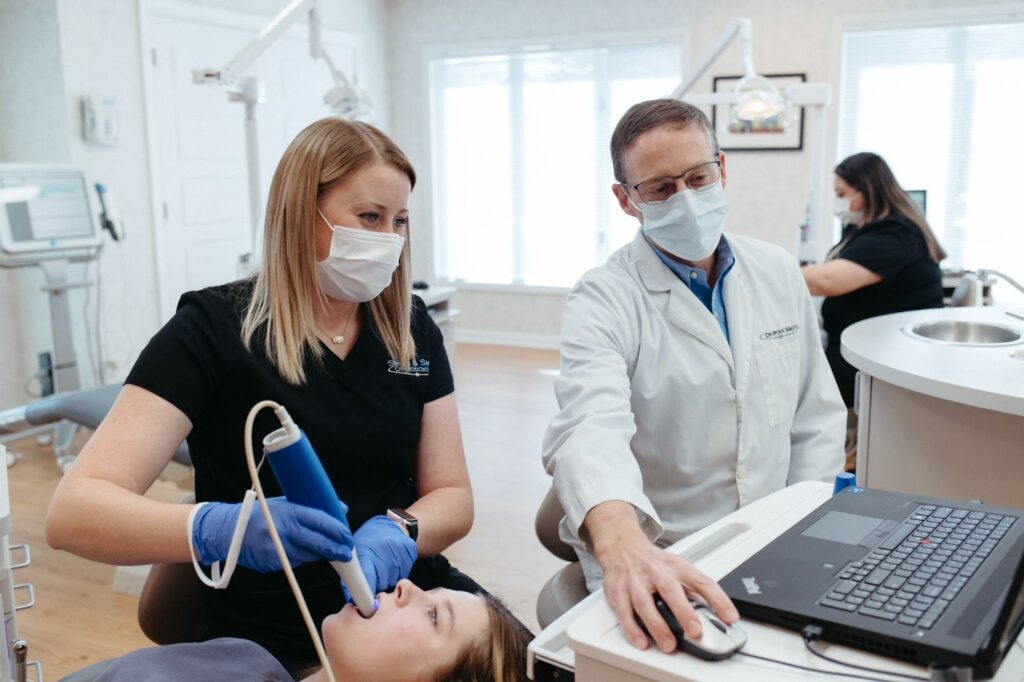
First visits used to come with a lot of uncertainty, but modern orthodontic tools have changed that completely. Digital scans now capture detailed images in minutes, giving Dr. Brian and Dr. Lynn a clear picture without relying on bulky impression trays.
Seeing those images on a screen helps kids and parents understand what’s happening right away, which turns the appointment into a conversation rather than a guessing game. Treatment planning becomes something families can actually follow, with visuals that make next steps feel easy to grasp instead of abstract.
This smoother start sets expectations early and builds confidence before treatment even begins. Next, let’s explore how those digital plans continue shaping care quietly behind the scenes as treatment moves forward.
Technology That Plans Ahead, Not on the Fly
Once digital scans are captured, they do far more than sit in a file. Modern orthodontic software allows Dr. Brian and Dr. Lynn to plan treatment with clarity and foresight, long before braces or aligners are placed. Instead of reacting to changes as they happen, these tools help map out what comes next so visits feel purposeful and predictable.
Here’s how that planning shows up during care:
- Digital models help visualize tooth movement step by step.
- Adjustments are guided by data, not trial and error.
- Clear aligner planning becomes easier to explain and easier to follow.
- Braces placement and timing feel more intentional from the start.
Behind the scenes, this technology keeps treatment organized and consistent, even as smiles change over time. Next, let’s look at how digital tracking helps families see progress without adding extra appointments to the calendar.
Seeing Progress Without Extra Visits
Technology doesn’t stop working once treatment begins. Digital records and imaging allow Dr. Brian and Dr. Lynn to review changes over time with far more clarity than paper charts ever allowed. Each visit adds another layer of visual data, helping the Smith & Smith Orthodontics team spot patterns and make thoughtful adjustments without guesswork.
That progress tracking shows up in practical ways:
- Fewer unnecessary check-ins for families juggling school and work schedules
- Clear comparisons that show how things are moving along
- Adjustments that feel timely rather than rushed
- Conversations that focus on what’s next instead of what’s unclear
This behind-the-scenes tracking keeps treatment moving steadily while respecting families’ time. Next, let’s explore how digital tools have expanded orthodontic options, including the growing role of clear aligners.
Clear Aligners and the Shift Toward Digital Orthodontics
Orthodontic technology has expanded far beyond brackets and wires, and clear aligners are one of the clearest examples of that shift. These systems rely on digital workflows that allow treatment to move forward in a more flexible, modern way.
A Different Way Treatment Moves Forward
Clear aligners are designed to work through a series of carefully mapped stages, allowing progress to happen in smaller, controlled steps. This approach feels more streamlined for many teens and adults who prefer something removable and discreet.
Technology That Fits Daily Life
Because aligners can be removed for meals, brushing, and special events, they blend easily into busy schedules. That flexibility reflects a larger trend in orthodontics toward systems that adapt to real routines instead of disrupting them.
Digital Workflows Behind a Simple Look
Although aligners look simple on the surface, they rely on advanced digital systems working quietly in the background. That technology allows care to stay organized while giving families more choice in how treatment fits their lives.
As orthodontic options continue to expand, technology now plays a larger role in helping families choose what works best for them. Next, let’s look at how modern tools have opened the door to more treatment paths than ever before.
Technology That Supports Smarter Timing
Orthodontic technology has changed not only how treatment works, but also when it starts.
Modern tools allow Dr. Brian and Dr. Lynn to evaluate timing with greater clarity, which is especially helpful for families deciding when care should begin for a child, teen, or adult. Instead of rushing decisions, digital records and long-term tracking tools help the team monitor changes over time and recommend treatment when it makes the most sense.
This approach is valuable for growing kids who may benefit from early observation, as well as teens and adults who are starting care later in life. Technology supports flexibility by allowing plans to adjust as needs change, rather than locking patients into a single timeline from day one.
When timing feels thoughtful instead of forced, families can move forward with confidence knowing care is guided by insight rather than pressure. Next, let’s look at why these modern tools work best when paired with experience and a steady, people-first approach.
When Experience Leads the Technology
Modern orthodontic tools are most effective when guided by experienced hands. Dr. Brian and Dr. Lynn at Smith & Smith Orthodontics use technology as a support for thoughtful decision-making, not as a replacement for clinical judgment or personal connection. That balance helps care feel steady and well-paced from start to finish.
This approach shows up in meaningful ways:
- Digital tools inform decisions rather than rushing them
- Treatment plans stay flexible as needs change over time
- Technology supports accuracy while experience guides timing
- Conversations stay focused on what makes sense for each family
When technology follows experience instead of leading it, orthodontic care feels grounded and dependable.
Built for Today, Backed by Experience
Orthodontic technology keeps evolving, but great care still comes down to how it’s applied. Dr. Brian and Dr. Lynn use modern tools to support thoughtful decisions, clear communication, and steady progress for families throughout Sanford and Bayboro. That blend of experience and innovation keeps treatment feeling organized without losing the personal touch. Book your free consultation with Smith & Smith Orthodontics today and move forward with care built on insight, not impulse.